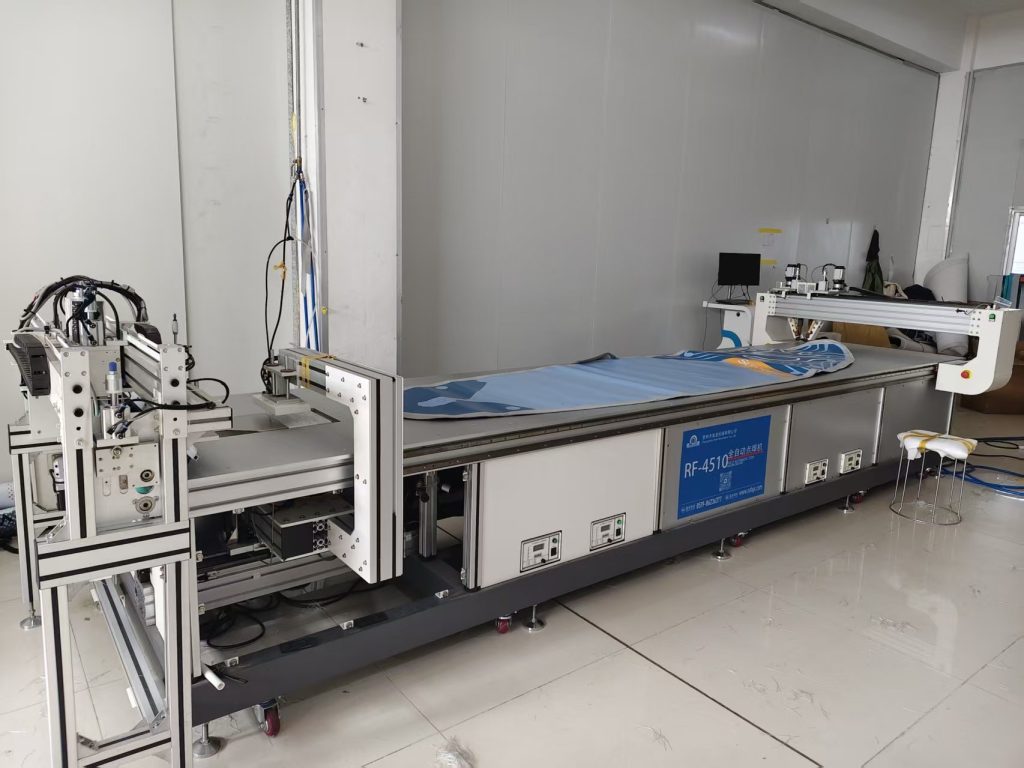
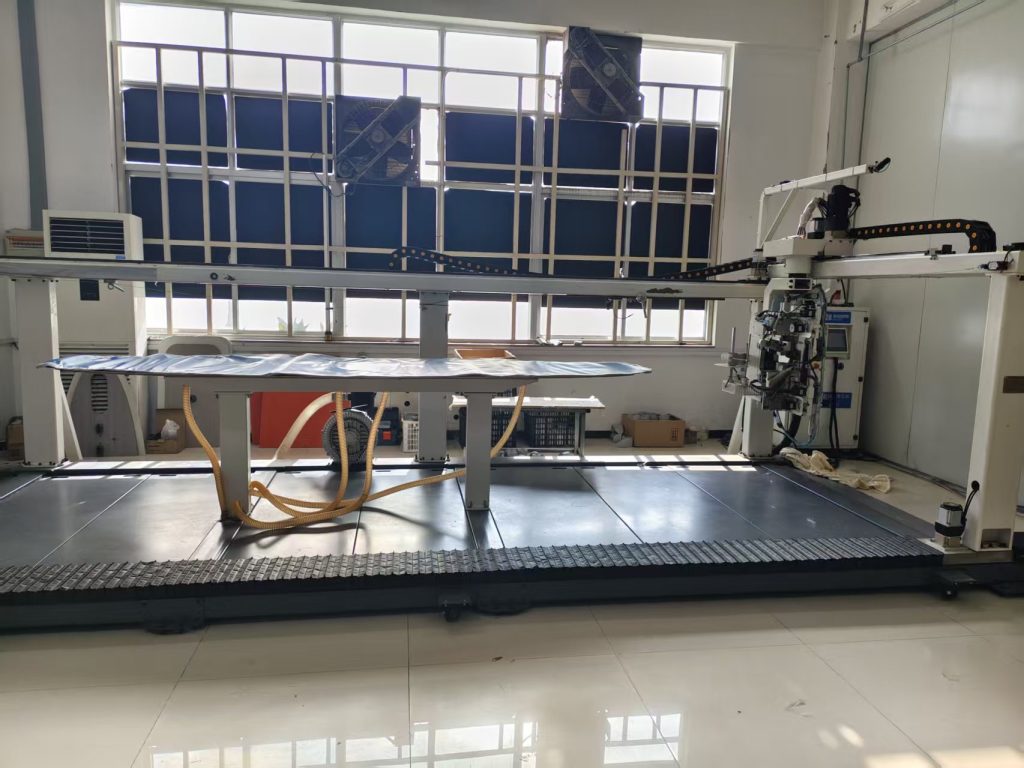
Inflatable stand-up paddle boards (SUPs) have become increasingly popular thanks to their portability, durability, and performance. One of the key innovations behind high-quality inflatable SUPs is heat welding technology, which has largely replaced traditional glue-based construction in premium boards. This article explores how heat welding works, its advantages, and its impact on modern paddle board manufacturing.
What Is Heat Welding?
Heat welding is a manufacturing process that uses controlled heat and pressure to fuse two layers of thermoplastic materials—typically PVC—into a single, seamless bond. Unlike adhesives, which chemically bind materials, heat welding physically merges them at a molecular level.
In inflatable SUP production, this technique is mainly used to bond:
- PVC outer layers
- Reinforcement rails (sidewalls)
- Drop-stitch fabric layers
How Heat Welding Works in SUP Manufacturing
The process generally involves the following steps:
- Material Preparation
High-quality PVC sheets and drop-stitch cores are cut to precise shapes. - Layer Alignment
Multiple layers (base fabric + reinforced PVC) are carefully aligned. - Heat Application
Specialized machines apply high temperatures to soften the PVC surfaces. - Fusion (Pressure + Bonding)
Pressure is applied simultaneously, causing the layers to fuse into a single structure. - Cooling and Solidification
The welded seam cools and hardens, creating a permanent bond.
This results in a uniform, airtight, and highly durable seam.
Types of Heat Welding Techniques Used
- Hot Air Welding
Uses a stream of hot air to soften PVC before pressing layers together. - High-Frequency (HF) Welding
Uses electromagnetic energy to heat materials internally—common in precision seams. - Thermal Fusion Lamination
Pre-laminated PVC layers are fused during production, often seen in premium double-layer boards.
Impact on Paddle Board Performance
Heat welding technology directly enhances on-water performance:
- Higher stiffness due to better structural integrity
- Improved safety with stronger seams
- Longer lifespan, especially in harsh conditions (UV, saltwater, temperature changes)
- Better aesthetics with cleaner, smoother seams
Industry Trend: From Glue to Welded Construction
Leading inflatable SUP manufacturers are rapidly shifting toward fully welded or partially welded construction. While heat welding equipment requires higher upfront investment, it reduces long-term production costs and improves product reliability—making it the future standard of the industry.
Heat welding technology represents a major advancement in inflatable paddle board manufacturing. By replacing traditional adhesives with molecular-level bonding, it delivers stronger, lighter, and more environmentally friendly boards. As consumer expectations rise and production technology evolves, heat-welded SUPs are set to dominate the market.