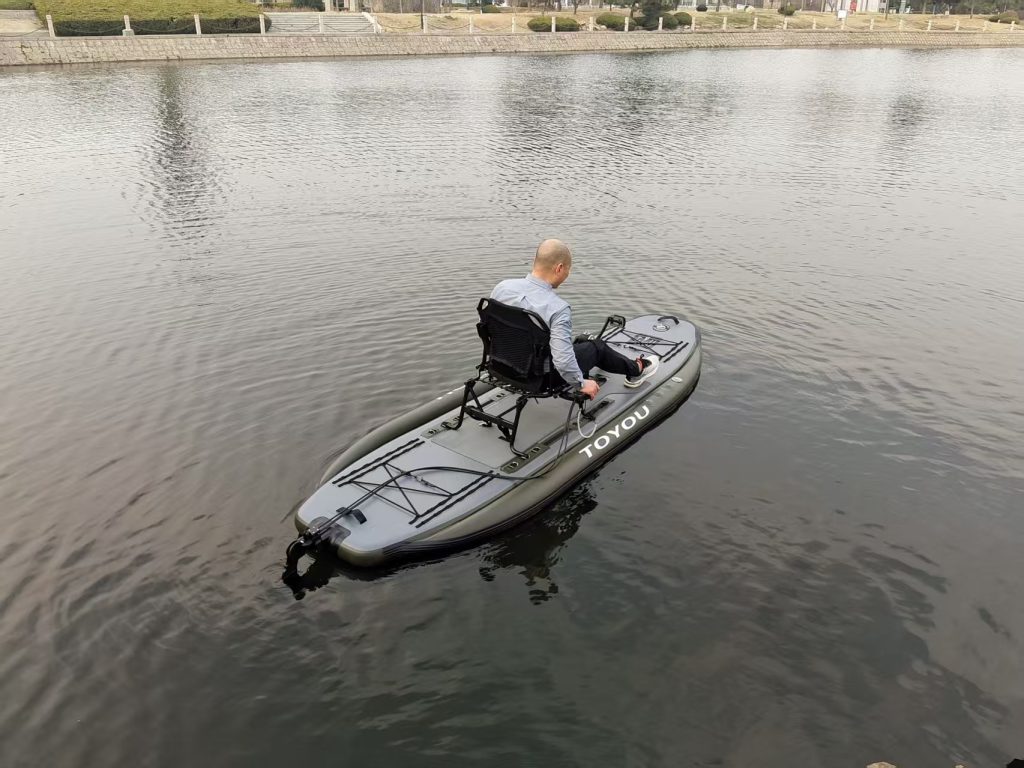
Kayaking is one of the most immersive way to explore the outdoors, and inflatable kayaks have opened up long-distance paddling adventures to more people than ever before. Whether you’re navigating a winding river, cruising along a coastal shoreline, or venturing deep into a quiet lake system, inflatable kayaks are a practical, lightweight, and packable option for extended journeys.
Here’s a detailed guide to help you plan and enjoy a long kayaking trip with an inflatable kayak.
Why Choose an Inflatable Kayak for Long Trips?
1. Portability
Inflatable kayaks pack down small and are easy to carry, making them ideal for remote starting points or mixed travel (car, bus, plane, etc.).
2. Lightweight
Carrying gear, portaging between lakes, or hauling your kayak to camp is much easier when your boat weighs under 40 pounds.
3. Durable Materials
Modern inflatable kayaks are made from tough PVC or drop-stitch fabric. Many models are UV-resistant and puncture-resistant, designed to handle multi-day use.
4. Storage Capacity
Most high-quality inflatable touring kayaks offer ample space for dry bags, camping equipment, and food for several days.
What to Look for in an Inflatable Kayak for Long Trips
- Length and Shape: Longer kayaks (12–16 feet) track straighter and paddle more efficiently over distance.
- Drop-Stitch Floor: For better rigidity, stability, and support when sitting or standing.
- Multiple Air Chambers: For safety; ensures the inflatable kayak stays afloat even if one section is punctured.
- Skeg or Rudder: Helps with straight-line tracking over long stretches.
- Weight Capacity: Must handle you plus your gear—check limits carefully.
Essential Gear to Bring
Kayak-Related:
- Paddle (preferably lightweight, ergonomic)
- Manual or electric air pump
- Repair kit (patches, glue, valve tool)
- Skeg or fin (removable if needed)
- Spray skirt or splash guard (for rough waters)
Safety:
- PFD (life jacket)
- Whistle, light, and emergency signaling devices
- First aid kit
- Navigation tools (map, compass, GPS)
- Waterproof phone case or marine radio
Camping/Expedition Gear:
- Dry bags (various sizes)
- Tent or hammock with tarp
- Lightweight stove and fuel
- Food and water filter or purifier
- Sleeping bag and pad
- Clothing for wet, cold, and sun exposure
Trip Planning Tips
1. Choose Your Route Carefully
Plan according to your skill level. Multi-day rivers with gentle current or coastal routes with predictable weather are ideal for inflatable kayaks. Know your daily paddling capacity—15–25 km / day is a reasonable average.
2. Check Weather and Water Conditions
Inflatable kayaks are sensitive to strong winds and waves. Always check forecasts and understand local hazards like tides, dam releases, or rapids.
3. Pack Smart
Use dry bags with color-coded gear (clothes, food, tools) and balance your kayak’s load front-to-back. Keep heavier items low and centered.
4. Inflate Properly
Follow your kayak’s PSI guidelines. Under-inflation reduces performance; over-inflation can damage seams—especially in hot weather.
5. Take Breaks and Camp Responsibly
Scout for suitable campsites in advance. Use Leave No Trace principles and be mindful of wildlife and fragile ecosystems.
Tips for a Successful Long-Distance Inflatable Kayak Adventure
- Test Everything Before You Go: Practice packing, inflating, paddling, and repairing.
- Secure Your Gear: Use bungee cords or D-rings to prevent gear loss if you flip.
- Mind the Sun: Inflatable kayaks heat up fast. Store shaded when possible and adjust pressure as needed.
- Know When to Call It: Don’t push through bad weather or fatigue—safety first.
A long-distance kayaking trip with an inflatable kayak is a rewarding and accessible way to explore the natural world. With the right gear, preparation, and mindset, you can travel light and far—paddling into hidden coves, remote islands, or peaceful riverside camps. The freedom of inflatable kayak touring is hard to beat.
Whether you’re planning a weekend escape or a week-long journey, inflatable kayaks can take you there—one paddle stroke at a time.