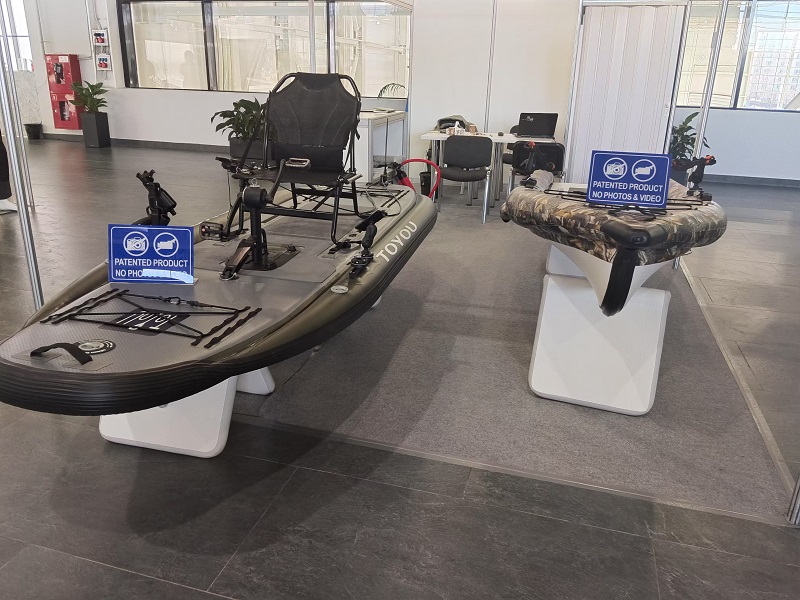
Using an inflatable pedal kayak is a great way to enjoy the water with ease and comfort, but it’s important to understand both paddling techniques and safety practices, especially since inflatable kayaks behave a bit differently than hard-shell kayaks. Here’s a guide tailored to paddling instruction and safety with inflatable pedal kayaks:
Paddling & Pedal Use Instructions
While your inflatable kayak is pedal-powered, it’s helpful to know basic paddling for maneuvering, emergency situations, or shallow waters.
1. Getting Started
- Inspect your inflatable kayak for leaks or damage before each outing.
- Inflate fully using the manufacturer-recommended PSI (typically 10–12 PSI). Underinflation affects performance.
- Install the pedal drive securely before launching.
- Wear a properly fitted PFD (personal flotation device) at all times.
2. Pedal Technique
- Sit comfortably with your back supported and knees slightly bent.
- Pedal smoothly, like riding a bike. Use a steady, circular motion.
- Avoid stomping or jerky movements, which waste energy and reduce control.
3. Using the Paddle (as backup or assist)
- Hold the paddle with hands shoulder-width apart.
- Use torso rotation more than arm strength.
- For turns, use sweep strokes:
- Forward sweep: Wide arc on the opposite side of the turn.
- Reverse sweep: Wide backward arc on the same side of the turn.
- In shallow or weedy areas, switch to paddling and stow the pedal drive if needed.
Safety Tips
1. Before You Launch
- Check weather and water conditions. Avoid strong wind, waves, or storms.
- Wear a PFD—even strong swimmers should wear one.
- Tell someone your float plan: location, duration, and return time.
2. On the Water
- Stay clear of motorboats and high-traffic areas.
- Be cautious of submerged hazards—rocks, logs, or shallow sandbars.
- Use leashes or tethers for your paddle and pedal drive.
- Bring:
- Whistle (required in many places)
- Dry bag with essentials: phone, ID, snacks, sunscreen, first aid kit
- Bilge pump or sponge to remove water if needed
3. Inflatable-Specific Safety
- Avoid dragging the kayak over rough surfaces to prevent punctures.
- Rinse and dry completely after use to prevent mold or material breakdown.
- Store out of direct sunlight when not in use.
Maintenance & Emergency Preparedness
- Always carry a patch kit and manual pump.
- Practice re-entry techniques in case of capsize. It’s harder with inflatables but possible:
- Use the side or back of the kayak for leverage.
- Inflate a swim platform if available.