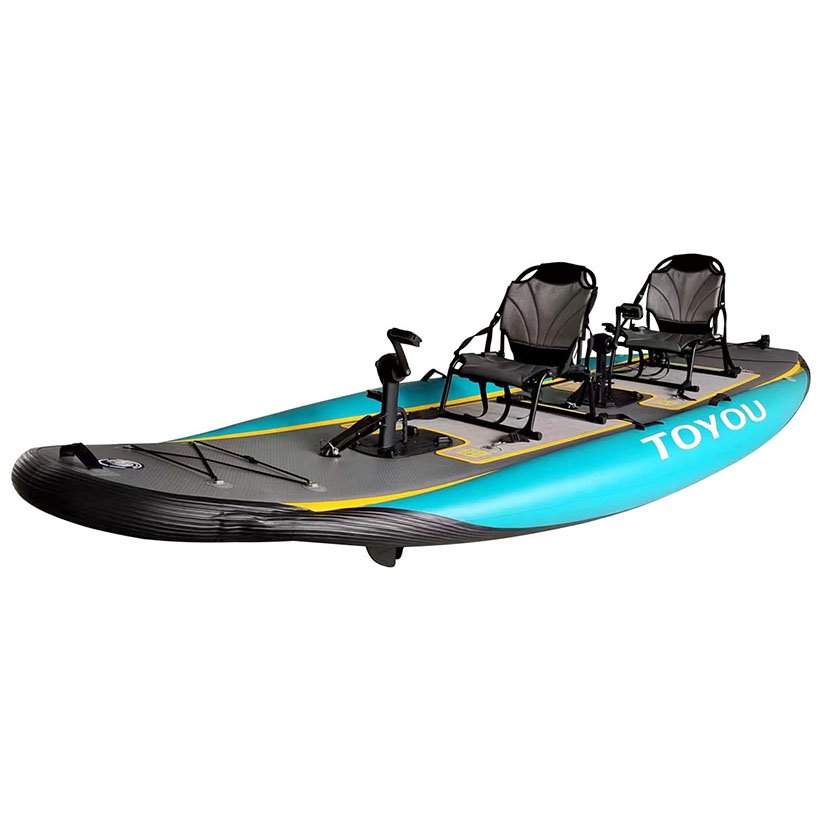
When it comes to kayak fishing, comfort, stability, and ease of use are critical factors. Among the wide variety of options available, the inflatable sit-on-top kayak has emerged as a popular choice among both beginner and seasoned anglers. But is it truly better for fishing? Let’s dive into the features, advantages, and potential limitations of inflatable sit-on-top kayaks in the context of fishing.
Why Choose an Inflatable Sit-On-Top Kayak for Fishing?
1. Stability and Balance
Sit-on-top designs are known for their wide, flat hulls, which provide superior primary stability. This makes it easier to cast lines, change bait, or even stand up in some models—especially those with drop-stitch floors. For anglers who want a steady platform, this is a major advantage.
2. Ease of Entry and Exit
Unlike sit-in kayaks, the open design of a sit-on-top kayak makes it easier to hop on and off—ideal for launching from shore, shallow flats, or hopping between spots in calm waters. If you drop gear or catch a fish that’s hard to handle, the open deck gives you freedom to move.
3. Portability and Storage
Inflatable models deflate into a compact size and are easy to store or transport, even in small vehicles. Sit-on-top inflatables often have ample deck space, D-rings, and bungee storage areas, making it convenient to carry fishing gear, tackle boxes, coolers, and even live bait tanks.
4. Self-Bailing Design
Most sit-on-top kayaks feature scupper holes that allow water to drain through the hull. This is especially beneficial when fishing in rough or wet conditions, as it prevents water from pooling on the deck—keeping you dry and safe.
5. Comfort and Flexibility
Sit-on-top kayaks provide more room to shift your body or change sitting positions during long fishing sessions. Inflatable models often come with adjustable high-back seats and even footrests, enhancing comfort during hours on the water.
Things to Consider Before Choosing One
1. Wind and Current Performance
Because inflatable sit-on-tops sit higher on the water and are typically lighter, they can be more affected by wind and currents. Adding a skeg, rudder system, or even an anchor or drift chute can help mitigate this.
2. Tracking and Speed
Inflatable kayaks, especially wide sit-on-top designs, aren’t built for speed. Their tracking may not be as sharp as a hardshell or a sit-in model, although newer designs with longer hulls and drop-stitch technology have improved dramatically.
3. Durability and Puncture Resistance
Modern inflatable kayaks are made from rugged PVC, drop-stitch materials, or Hypalon, offering impressive durability. Still, they require care to avoid punctures from hooks, knives, or sharp rocks—especially when fishing in challenging environments.
Who Should Use an Inflatable Sit-On-Top Kayak for Fishing?
An inflatable sit-on-top kayak is an excellent choice for:
- Anglers with limited storage or transport options
- Beginners looking for a stable and forgiving platform
- Kayak fishers targeting lakes, calm rivers, estuaries, or sheltered coastal waters
- Travelers or campers who want a portable fishing setup
Inflatable sit-on-top kayaks offer a fantastic blend of convenience, comfort, and fishability, making them a top pick for casual and even semi-serious anglers. While they may not match the speed or open-water performance of rigid kayaks, their portability, stability, and ease of use give them a clear edge for fishing in many conditions.
For those looking to get started with kayak fishing or needing a flexible solution without the hassle of roof racks or heavy lifting, an inflatable sit-on-top kayak might just be the best catch of all.