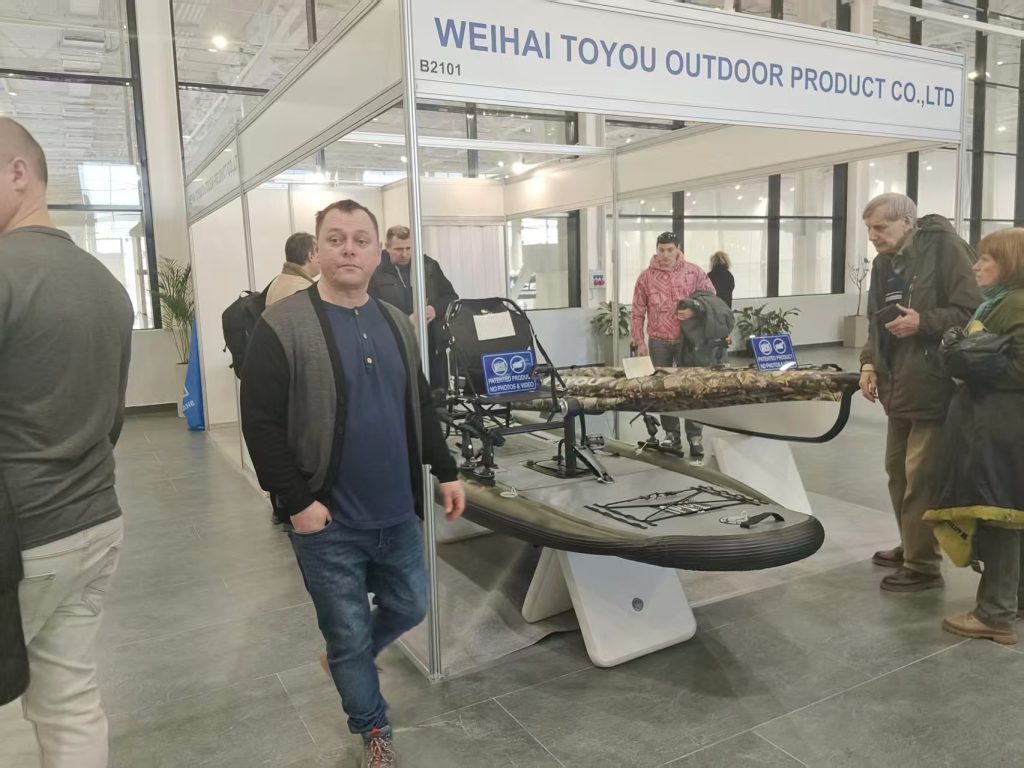
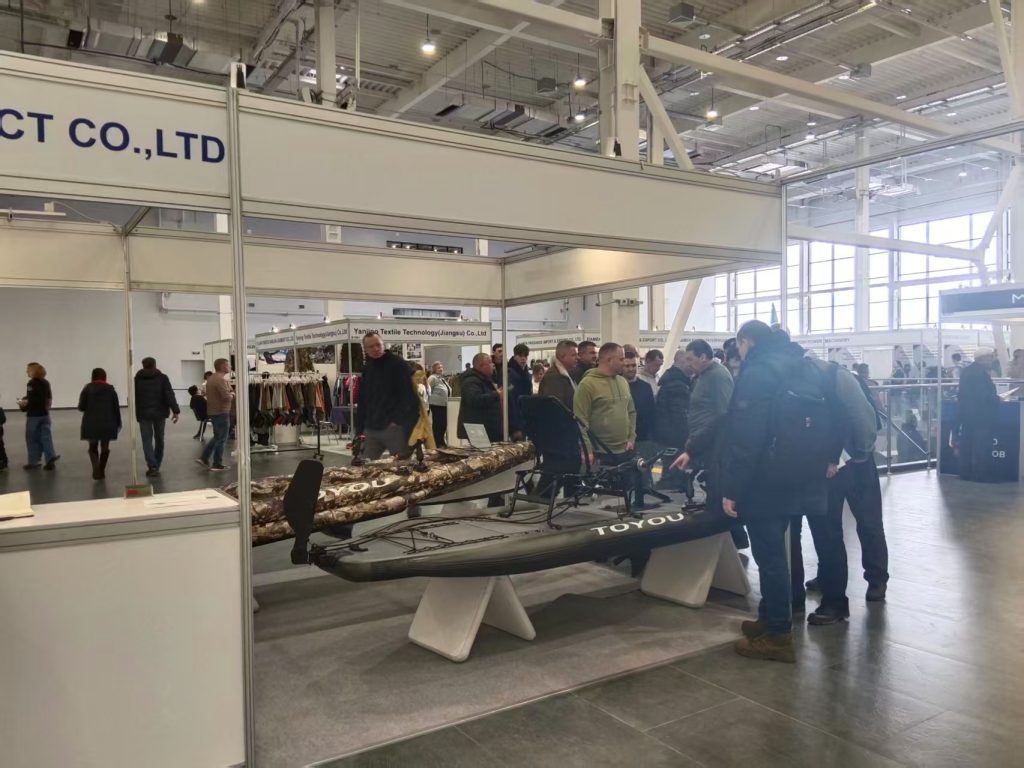
Maintaining an inflatable kayak with a pedal drive and rudder steering system involves more than just caring for the inflatable body—you need to ensure that the mechanical components function smoothly and reliably, especially in saltwater environments. Here’s a complete guide:
1. Cleaning After Every Use
Inflatable Body:
- Rinse with fresh water to remove salt, sand, algae, and debris.
- Use mild soap (non-abrasive, non-oily) and a soft cloth or sponge.
- Let it dry completely before storage to prevent mildew.
Pedal Drive System:
- Detach the pedal unit if removable.
- Rinse thoroughly with fresh water, especially if used in saltwater.
- Inspect for any entangled debris (weeds, fishing lines, etc.).
- Lubricate moving parts with a marine-grade lubricant (e.g., for chains, propellers, or gear mechanisms).
Rudder System:
- Rinse the entire rudder and control cables.
- Check for sand/salt buildup in the pivot or steering lines.
- Test the full range of motion after rinsing.
- Lubricate any joints or pivot points with silicone spray or a corrosion-resistant lubricant.
2. Routine Inspection & Maintenance
Inflate & Inspect:
- Inflate the kayak to recommended PSI monthly (or before each use) to check for leaks.
- Check for abrasions, cuts, or weak seams.
- Examine valves for leaks and ensure caps are tight.
Pedal Drive:
- Check for loose screws, worn-out parts, or rust.
- If the drive has a propeller or fins, inspect them for damage or bending.
- Tighten and align as needed.
Rudder System:
- Inspect rudder cables, control handles, and deployment lines.
- Replace any frayed cables or stretched lines.
- Ensure rudder locks/deployment mechanisms are smooth and responsive.
3. Storage Tips
- Deflate only when completely dry.
- Store in a cool, dry area, away from sunlight and extreme temps.
- Avoid folding it the same way every time—rotate the folds to avoid crease fatigue.
- Store the pedal drive and rudder in a padded bag or case to prevent mechanical damage.
4. Annual Maintenance
- Replace seals, O-rings, and grease internal parts of the pedal system if needed.
- Tighten or replace rudder control cables and pulleys if they show signs of stretch or wear.
- Do a full pressure test and examine for slow leaks.
5. Pro Tips
- Use UV protectant spray (like 303 Aerospace Protectant) on the kayak material to prolong its life.
- Keep a repair kit onboard including patches, glue, a valve wrench, and extra rudder/pedal screws.
- Label and document any small repairs or patches done so you can monitor them over time.
Proper maintenance not only extends the life of your inflatable kayak but also ensures safe, efficient, and worry-free paddling trips—whether you’re on a calm lake or out in the open sea.